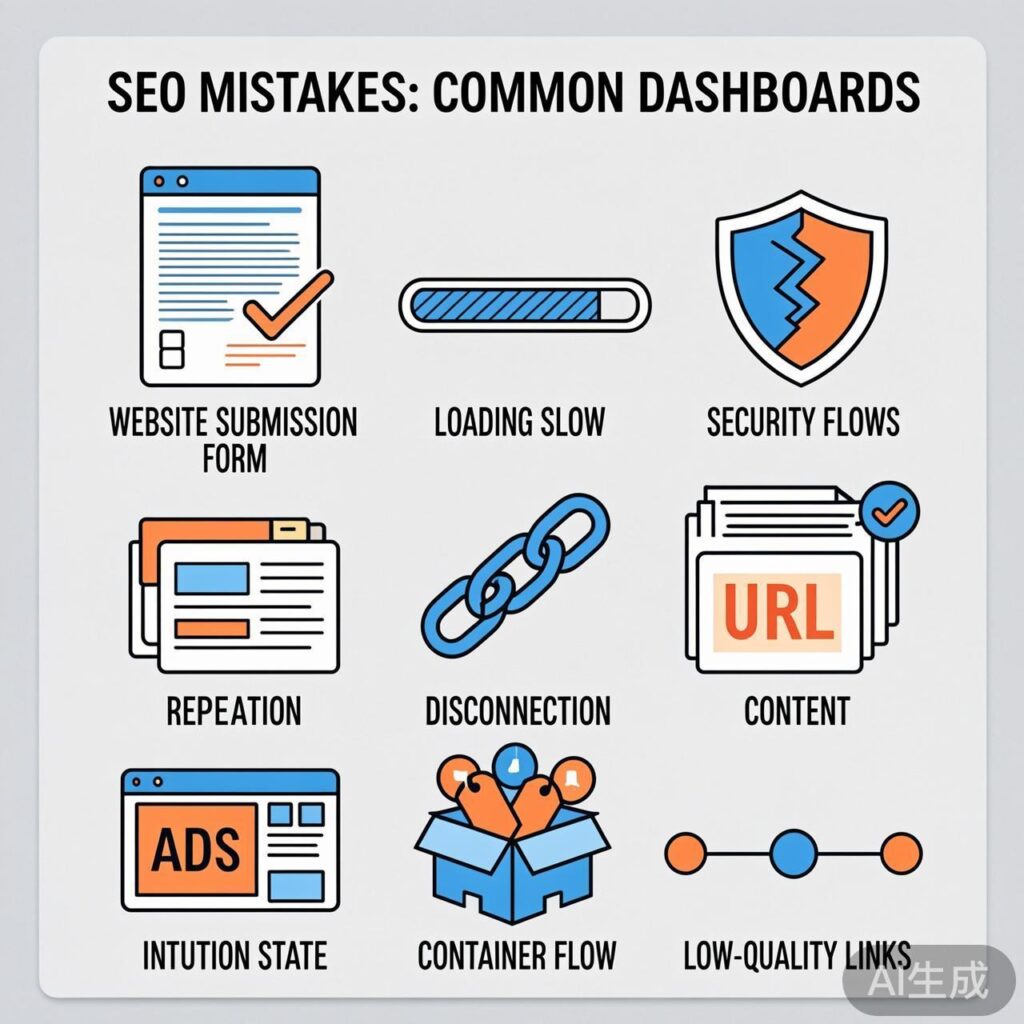
Search Engine Optimization (SEO) is crucial for any WordPress site's success. Your site's visibility and traffic largely depend on how well it ranks in search results like Google and Baidu. Typically, only keywords ranking on the first or second page bring meaningful traffic, as users rarely look further. Higher rankings for more keywords lead to more traffic, engagement, and revenue. A site that fails to gain traction within a year often struggles to survive.
SEO is easy to start but hard to master due to ever-changing algorithms. However, core principles remain constant. This guide explains why your WordPress site might have poor indexing and low rankings, and how to avoid common pitfalls.
Common Reasons for Poor WordPress Site Indexing and Ranking
Many factors can affect SEO, but we focus on the most frequent and avoidable mistakes.
1. Not Submitting Your Site to Search Engines
While search engines can discover sites automatically, actively submitting your site via Google Search Console or Baidu Search Resources Platform speeds up indexing. Generate and submit an XML sitemap to help engines find and crawl your content efficiently.
2. Slow Page Loading Speed
Slow sites frustrate users and hurt rankings. Google and Baidu consider page speed a key ranking factor. Sites taking over 3 seconds to load often lose visitors and receive lower rankings. Use tools like Google PageSpeed Insights or GTmetrix to test speed, and optimize by compressing images, using caching plugins, and choosing quality hosting.
3. Malicious Code or Security Vulnerabilities
Search engines scan for malware, hacked content, and security flaws. Infected sites risk severe ranking drops. Protect your site with security plugins, regular updates, and strong passwords. Address any security warnings from search engines immediately.
4. Low-Quality or Duplicate Content
Engines favor original, valuable content. Thin, copied, or spun content won't rank well. Avoid publishing the same article across multiple sites, and don't use multiple domains for one site without proper 301 redirects to a primary domain, as this creates duplicate content issues.
5. Frequently Changing Domains or URL Structures
Avoid changing your domain or URL permalinks after launch. Poorly handled changes break indexed links, cause 404 errors, and erase SEO equity. Choose a permanent domain and URL structure from the start.
6. Excessive or Intrusive Ads
Too many ads, pop-ups, or auto-playing media harm user experience and can trigger search engine penalties. Ads should be relevant, unobtrusive, and compliant. Consider adding ads only after reaching substantial traffic (e.g., 500+ daily visitors) to avoid hindering growth.
7. Deceptive Keyword Stuffing
Stuffing titles or descriptions with irrelevant keywords is a black-hat tactic. It may briefly boost traffic but leads to high bounce rates, zero conversions, and eventual penalties. Search engines detect such spam and may blacklist the site.
8. Buying or Placing Low-Quality Paid Links
Buying or selling links for SEO, especially unrelated or shady links, is risky. While backlinks pass some authority, search engines have sophisticated detection, and the value of such links has diminished. Low-quality paid links can severely damage your site's reputation and rankings.
Optimization Summary
To build a sustainable WordPress site, avoid these common SEO errors. Focus on creating genuine, useful, high-quality content for both users and search engines. Consistency and adherence to best practices will improve indexing and rankings over time.