What If Your Social Data Were Files?
Dan Abramov's thought-provoking essay "A Social Filesystem" proposes a radical idea: what if social media worked like files on your computer?
The Problem with Current Social Apps
Today, your data lives inside apps. Instagram owns your posts, GitHub owns your code, Twitter owns your tweets. If an app shuts down or changes policies, your data could vanish.
This contrasts with traditional computing, where files you create belong to you—not the software that created them.
The File Paradigm
Consider how files work:
- Files live somewhere you control
- Multiple apps can read/write the same file
- Files outlive the apps that created them
- You can switch apps while keeping your data
What If Social Apps Worked This Way?
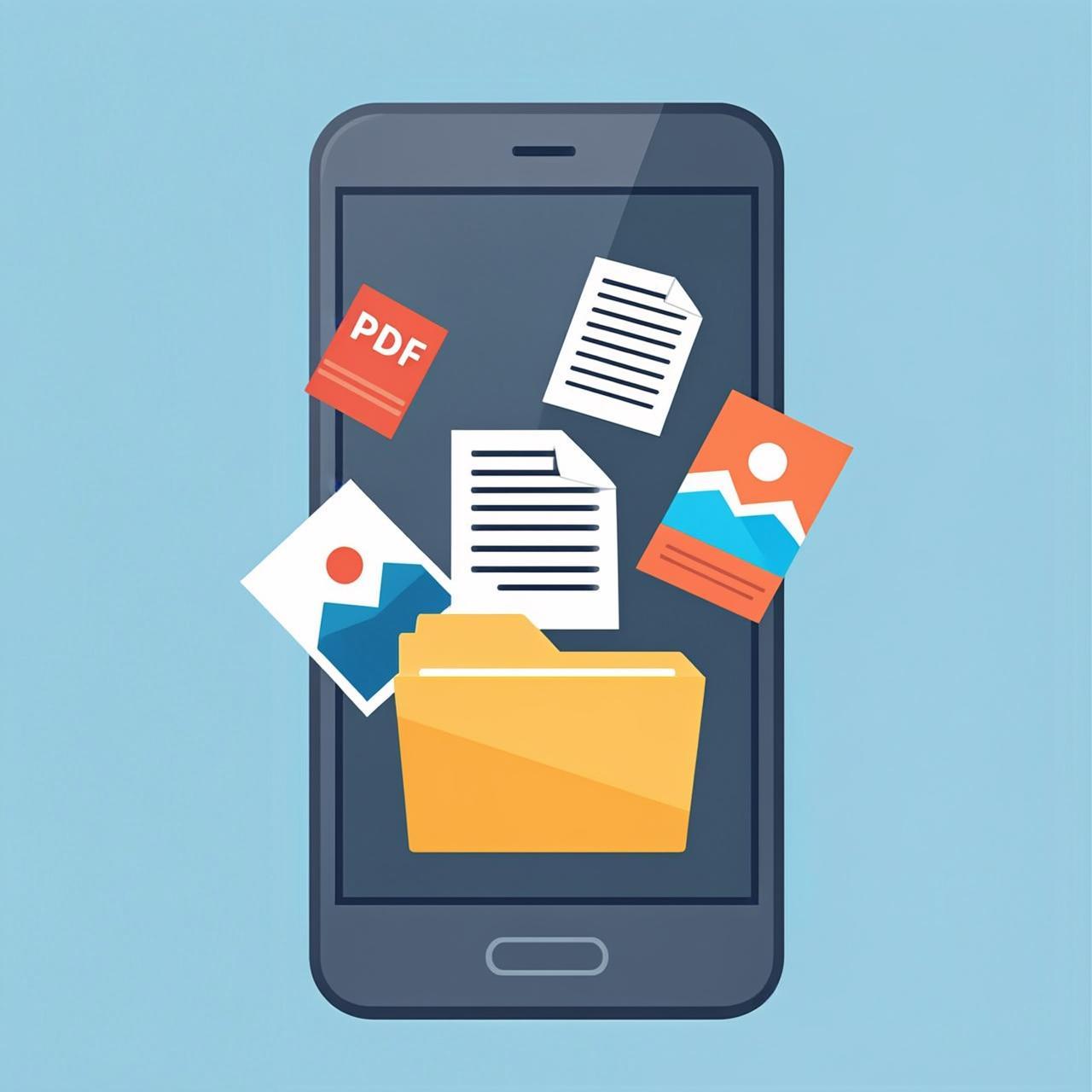
Imagine a folder containing everything you've ever posted, liked, or shared across the internet:
- A "Tumblr post" file in your folder
- An "Instagram follow" file in your folder
- An "HN upvote" file in your folder
The apps would be reactive to your folder—not the other way around. Delete an "Instagram follow" file, and you've unfollowed. Create three "Tumblr post" files, and you've crossposted to three communities.
This Isn't Hypothetical—It's Already Happening
The AT Protocol (Authenticated Transfer Protocol) makes this real. Apps built on it include:
- Bluesky—the most well-known
- Leaflet
- Tangled
- Semble
These apps feel normal to use. But your data lives in your "folder" (repository), not in the app's database.
Why This Matters
"Apps may come and go, but files stay—as long as our apps think in files."
This shift could fundamentally change the power dynamic between users and platforms. You wouldn't be locked in. New apps could read your old data. The network effect would no longer trap users.
The Bigger Picture
This represents a return to the original promise of the web: distributed, user-controlled data. Instead of giant platforms owning everything, we get a "distributed social filesystem" where:
- Users own their data
- Apps are interchangeable
- Innovation isn't locked behind platform gates
This is the "open social" vision—and it's gaining real momentum.